How to Keep Smoker Temperature Steady for Ribs
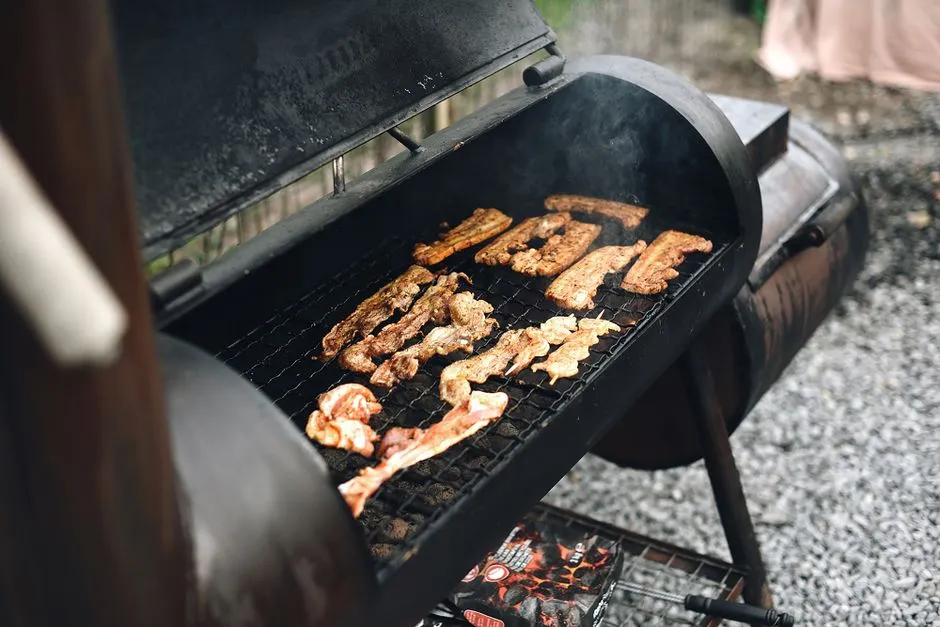
- How do you keep smoker temperature steady?
- What does a normal smoker temperature swing look like?
- Why does smoker temperature keep fluctuating?
- How do the vents control smoker temperature?
- How do you keep a smoker at 250°F?
- How should you add fuel so the heat holds?
- Does a steady temperature mean clean smoke?
- What is a checking routine that lets you walk away?
- Why does the temperature range matter for food safety?
- Sources
How do you keep smoker temperature steady?
Keep a smoker steady by letting it settle before the ribs go on, then making one small vent change at a time and waiting about 15 minutes before judging it. Add fuel before the fire fades, keep the lid shut, and read the temperature at the grate rather than from the lid dial. A small, regular swing around your target is normal. A slow drift that never recovers is the thing to fix.
Before touching anything: run the cooker outdoors only, as its manual directs. The CDC says that charcoal grills produce carbon monoxide, an odorless, colorless gas, and that you should never burn charcoal indoors. Vents and doors get hot; Weber's Smokey Mountain Cooker handbook says to always wear heatproof gloves when handling the vents or other parts of the cooker.
What does a normal smoker temperature swing look like?
Every fire breathes a little. The question is whether the number comes back on its own.
| What you see | Usually means | What to do |
|---|---|---|
| A dip after the lid opens, recovering within minutes | Hot air escaped | Nothing. Close the lid and wait. |
| A pellet grill wandering a little either side of its setting | The controller cycling fuel to hold an average | Nothing, if it stays within the maker's stated range. |
| A slow fall over an hour or more that does not recover | Fuel running low, ash blocking airflow, or vents too tight | Check fuel and ash, then open the intake slightly. |
| A slow climb late in a water-smoker cook | The water pan has run dry | Refill with warm water as the manual directs. |
| Big swings plus thick, gray, lingering smoke | A smoldering, starved fire | Fix the fire, not the setpoint. |
For pellet grills, Traeger's temperature swings guide says that on a typical, good-weather day, its grills should fluctuate no more than ±15°F. Other brands publish their own figures, so check your manual.
For a water smoker, the Weber handbook notes that each time the lid is removed, it will take 3 to 5 minutes for the temperature to recover. Turning the vents in response to a dip like that is how a steady pit becomes an unsteady one.
Why does smoker temperature keep fluctuating?
The Weber handbook names wind, rain, and ambient temperature as factors that can all affect the smoker's temperature, and says that adding extra food will decrease the temperature inside. Weber's charcoal temperature guide adds cleanliness: it says to keep the bowl and ash catcher clean, because clogged bottom dampers can affect the grill's performance. Traeger lists the pellet-grill versions: low-quality or old pellets, frequently opening the lid, cold weather, a heavy food load, poor airflow, and changing the set temperature often.
The habit behind most swings is overcorrection. Vents act slowly, so a cook who turns a vent, sees nothing happen, and turns it again ends up pushing the fire past the target in the other direction.
How do the vents control smoker temperature?
The intake vent (the opening that lets air reach the fire) and the exhaust vent (the opening that lets hot air and smoke leave) together set how much oxygen the fire gets. More air means a hotter fire. The Weber handbook warns that if you completely close the vents you will put out the fire.
Which vent you adjust depends on the cooker:
- Weber kettle: Weber's charcoal guide suggests leaving the bottom dampers fully open and using the top lid damper, set 1/4 to 1/8 open for the low and slow/smoke zone of 225–275°F (107.2–135°C).
- Weber Smokey Mountain Cooker: the handbook says to start with all vents open, then close them approximately halfway once the smoker reaches temperature. If it runs high, slightly close each vent, wait another 15 minutes, and recheck.
- Pellet, offset, kamado or drum: follow your own manual, since airflow works differently on each.
The wait is the part that matters most. The handbook's "dry run" advice (lighting the cooker with no food to learn the vents) says to always allow at least 15 minutes for any vent adjustments to have an effect. Move one vent, a small amount, then leave it.
How do you keep a smoker at 250°F?
Approach 250°F (121.1°C) from below rather than overshooting and dragging the pit back down. A fire that has run hot has heated the metal, ceramic, and water around it, and all of that keeps giving off heat after you close the vents. Our practice is to start narrowing the intake as the pit climbs toward the target, then let it creep the last stretch on its own.
Then let it settle. The Weber handbook suggests allowing at least 15 to 20 minutes for the smoker to warm up before reading the lid thermometer. Wait until the temperature has held near your target before the ribs go on, because a pit that is still climbing will keep climbing.
Read the temperature where the ribs sit. ThermoWorks, which makes thermometers, says in its dome versus grill temperature guide that cooking by the dome dial can leave your setting anywhere from 35°F to 50°F too high (or too low), and recommends an air probe as close to the food as practical and about 1" above the grill surface.
Still choosing between the two common rib settings? Our guide to 225 or 250 for ribs covers which suits your cooker and schedule.
How should you add fuel so the heat holds?
A fire rebuilt from weak coals will swing. Add fuel while the fire is still healthy.
For a charcoal water smoker, the Weber handbook says a falling temperature could be because the fuel is running low: add 5 to 10 unlit briquettes and recheck in 15 minutes. It also says that if most of the water in the pan has evaporated, the temperature will rise, so refill it with warm water. The handbook warns that if water spills onto the lit fuel, very hot ash and steam will rise very quickly. Pour slowly, with gloves on, and keep your face away from the opening.
For a pellet grill, Traeger says low-quality or old pellets can cause temperature fluctuations, so keep the hopper filled from a dry, fresh bag. For an offset, small splits added before the coal bed collapses hold heat more evenly than large logs dropped onto a dying fire; our clean smoke and fire management guide covers that fire in detail.
Does a steady temperature mean clean smoke?
Not on its own. A fire can sit at 250°F while smoldering, if the vents are choked down to hold the number. Clean smoke comes from a fire with enough air, so the fix for big swings and thick gray smoke is usually more oxygen and smaller fuel, not a lower setpoint.
What is a checking routine that lets you walk away?
The Weber handbook recommends monitoring the temperature once every hour if possible, and checking the water pan every 2½ to 3 hours. Every lid opening costs heat, so batch your jobs into one quick opening.
- Let the cooker settle at the target before the ribs go on.
- Put an air probe near the rack and, if your thermometer has them, set high and low alarms around your target.
- Write down the vent positions once the temperature holds, so the next cook starts from known settings.
- Check once an hour. If the temperature has moved but is recovering, do nothing.
- If it has drifted and stayed there, check fuel, ash and water first, then make one small vent change and wait 15 minutes.
Then walk away. For the full rib schedule, see how to smoke baby back ribs at 250°F.
Why does the temperature range matter for food safety?
USDA guidance, republished by the California Department of Food and Agriculture, says you will need two types of thermometers when smoking: one for the food, and an oven-safe thermometer to monitor that the air temperature in the smoker or grill stays between 225 and 300 F (107.2–148.9°C) throughout the cooking process. The same guidance says to cook raw pork steaks, chops and roasts to a minimum internal temperature of 145 F (62.8°C), with at least a three-minute rest. If the pit falls below 225°F and will not recover, fixing the fire comes first.